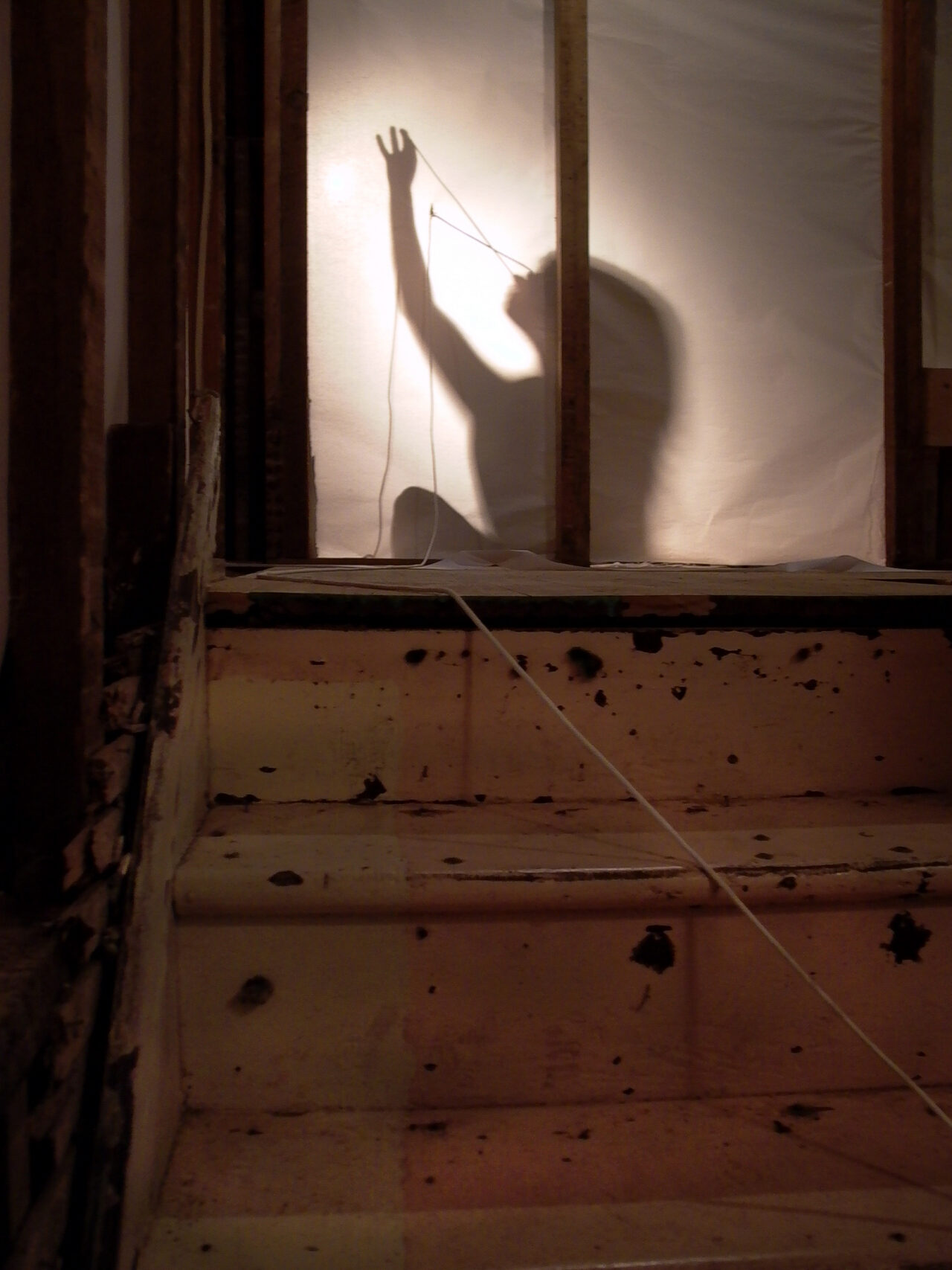
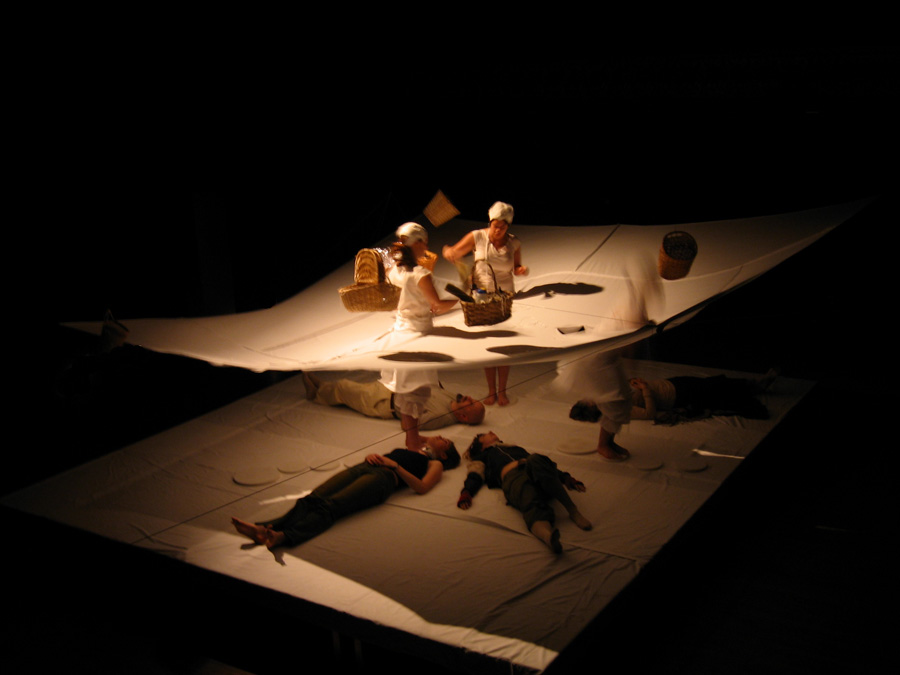
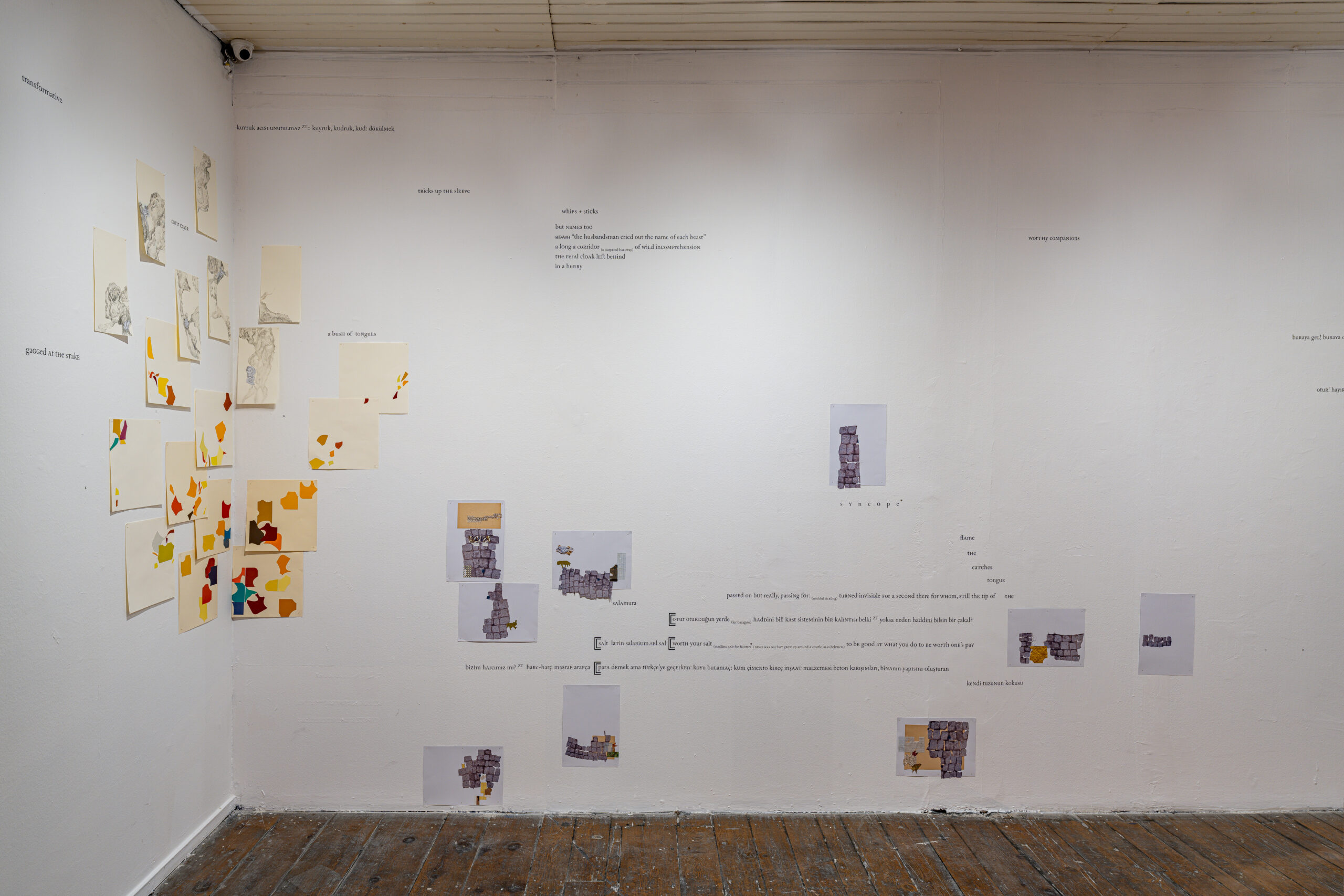
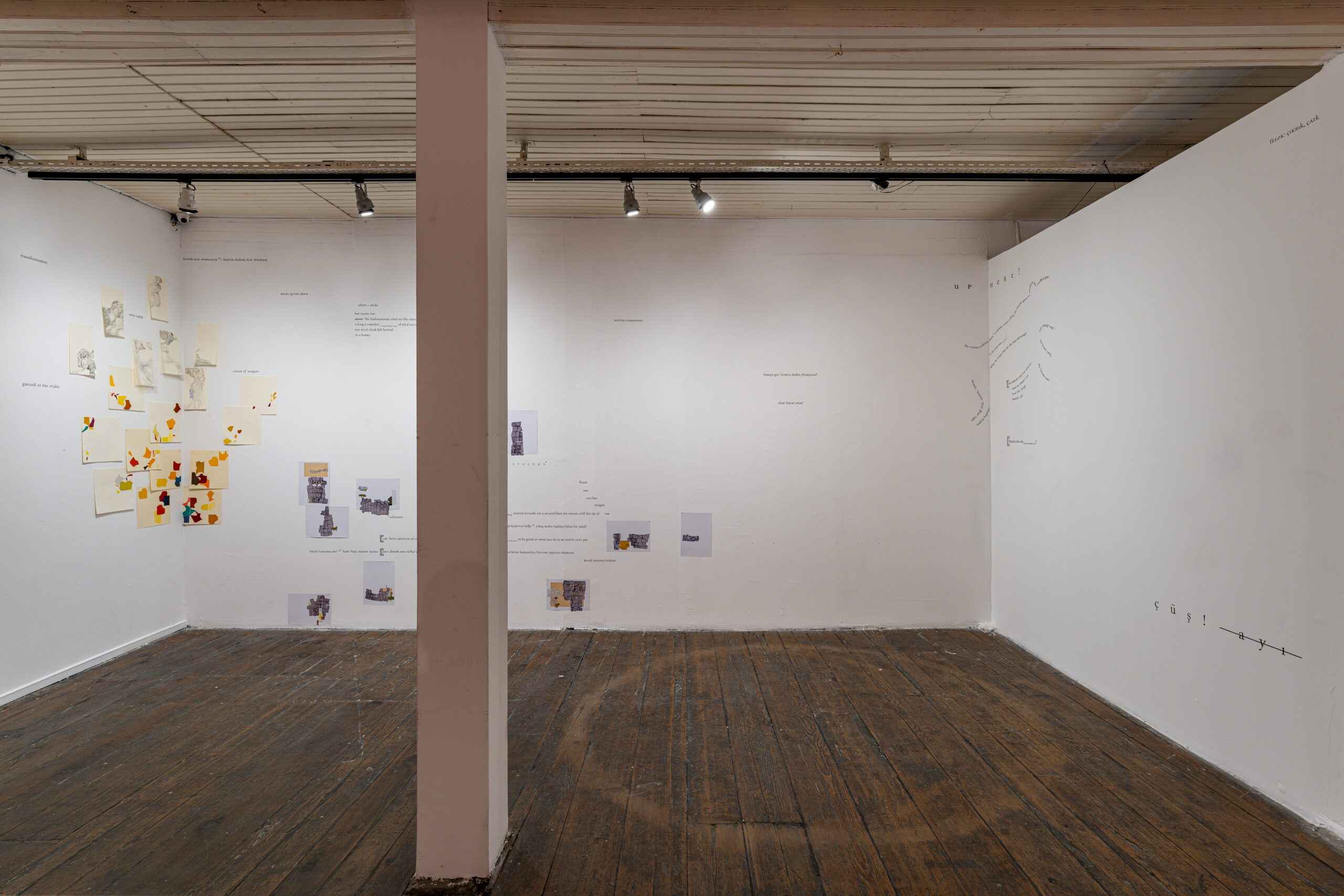
Alev Ersan works across video, performance, installation art, drawing, animation, poetry, prose, and translation. A central engagement in her work is language and its troubled, porous relationship to subjectivity, memory, and loss both as a public and private experiences. Mourning and grief are explored in many of her projects, including the speculative grief-memoir Minerva will publish in 2027; a final outcome of a multi-disciplinary research exploring translation as a vehicle of mourning and the voice as regenerative. Of significance here is the installation of text, sound, and drawings in the work A Room of Three Rites shown in 2017 in the Offsite Projects of the Sharjah Biennial 13. Washed in the sound of a tree-in-growth are voice recordings of personal stories of the dead. Hung drawings and sculpted papers reflect details of the room. These components are compiled as a site for a ritual for three distinct narratives recalling those who can no longer tell their stories.
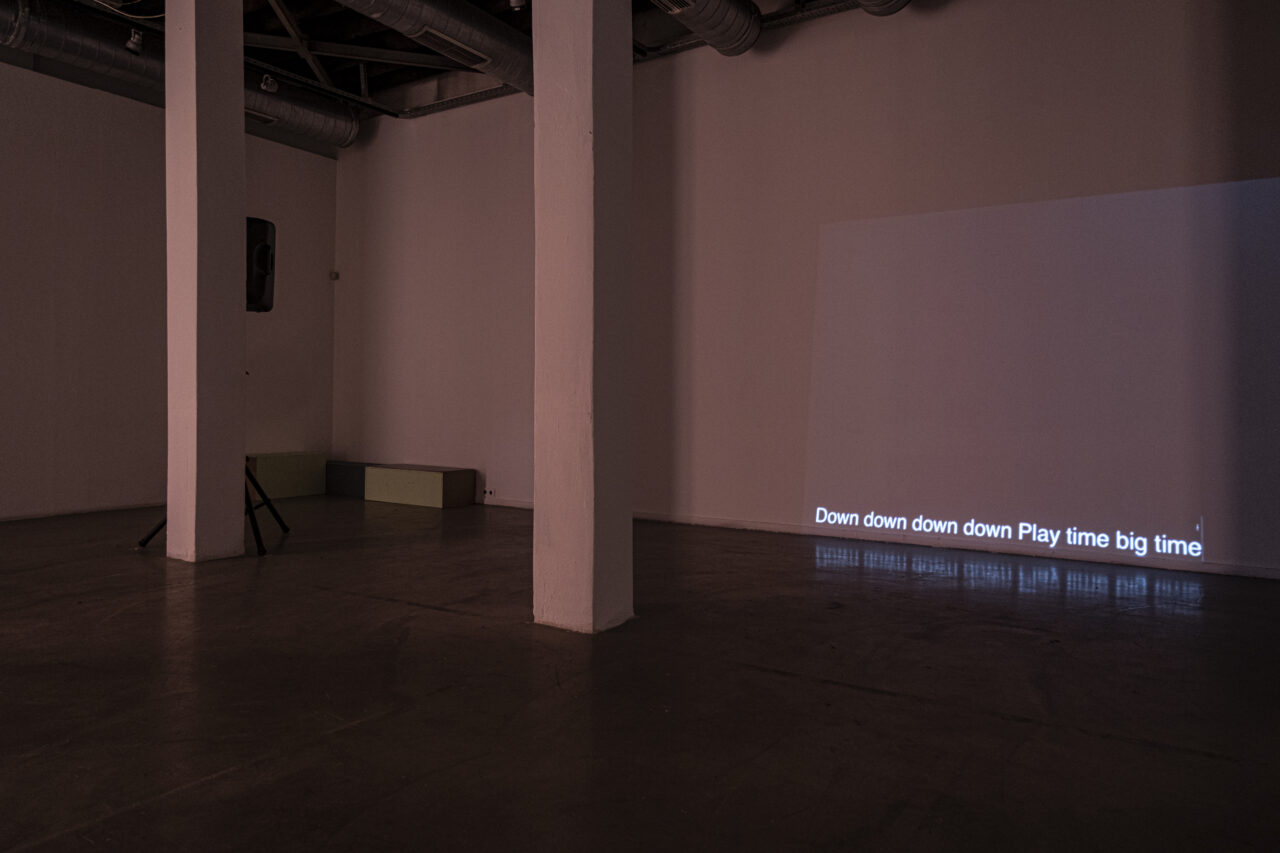
In 2022, Minerva Projects published Alev’s drawings from her sound and text installation If in mirrors; it doesn’t bite, (the title taken from Gail Scott); in the book created in tandem with the exhibition Also Your Wound, Rosa, curated by Pelin Uran. That same year, Alev collaborated with Ibrahim Alam and Ilyas Odman to transform an exhibition space into a night garden through three distinct playlists called salt, sleep, and wind in the work titled mâzîk, and by composing a bilingual conversation between Derek Jarman and Hikmet Birand by bringing excerpts from their works, Modern Nature and Kurak Çorak.
Foundational to her forthcoming speculative grief-memoir is the 2024 research Translation as Digging. Writing into and out of Loss.The bilingual narrative of the book is a questionable, posthumous collaboration between Alev and her readings from a short story among others of his texts by her deceased father. The research began in 2021 with this bilingual conversation and from there expanded into literary and conceptual readings on mourning rituals.
In 2023 Alev started working on a short film exploring the trope of a journey to the underworld, structured on a doubled-up train journey; one she took in 2019 and her father in 1952 along the same route in France. Digging is a means of recalling the voice of the author and his characters posthumously; and through this intervention, an attempt at ventriloquy and reanimation. From her father’s library she inherited one book in particular that contains his insignia and a date, ‘68. These shapes speak to an image of a plant caught in the camera’s eye while filming the video work and travelling through northern France that moves her to further research and make a series of drawings of what becomes a central figure, the mistletoe. A semi-parasitic species that becomes an emblem to anchor and structure her memoir that interlaces her and her father’s writings to step towards naming the relationship of parasite to host, the bonds of father to his own family as he grew up in Istanbul.
Digging is also to dig up the tension between Turkish and English, the opposing syntaxes of these hybrid languages of empire Alev grew up speaking, and finding a means of building a formally hesitant, literary-visual syntax to relate to the double-bind of the translatory urge. She writes, “My attempt is to speak to my dead father by moving through our languages, one of engaging in another wor(l)dly conversation; to give voice to intergenerational narratives by considering aging, illness, discrimination, shame and secrecy. What paths cut across the un of unpublished works of an unknown author and the out of outing oneself and another? In the midst I question many things. How to find voice for the entangled paths of working between the private and the public? Is it possible to be an ethical ventriloquist?”